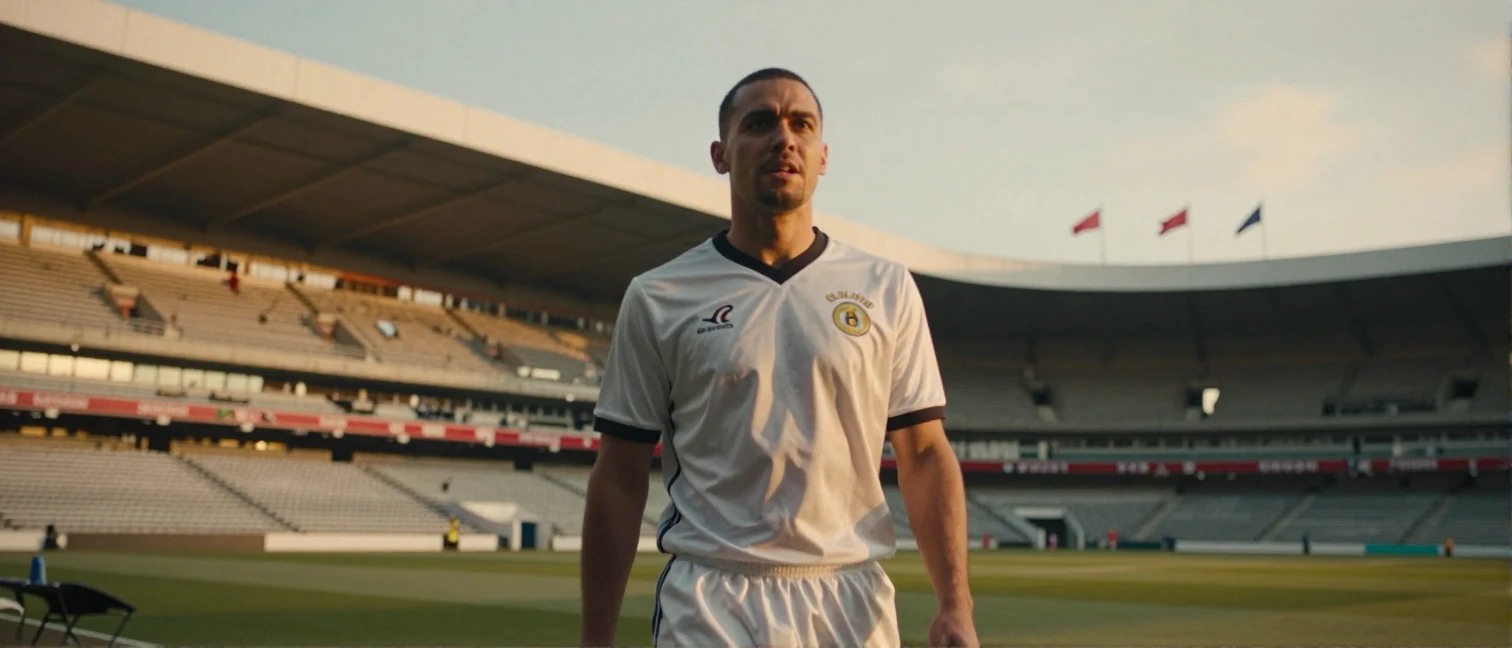
South Korea taps Park Ji-sung as co‑chair…2026 World Cup innovation begins
South Korea football is launching a sweeping reform ahead of the 2026 North‑America World Cup. The Ministry of Culture, Sports and Tourism will officially inaugurate the ‘K‑Football Innovation Committee’ on June 6 at the Seoul Olympic Parktel, appointing Park Ji-sung as co‑chair and Minister Choi Hwi‑young as co‑chair. Together they will chart a medium‑term vision and restructure the game.
Who is on the committee and what are its goals?
The committee gathers former and current football figures such as Park Ji‑sung, Lee Young‑pyo and Park Joo‑ho, alongside sports officials like Yoo Seung‑min (Korean Sports Council), Kim Seung‑hee (KFA executive director) and Jo Yeon‑sang (K‑League secretary‑general). Their mandate covers governance overhaul, youth development system redesign, and the adoption of cutting‑edge technology to boost future competitiveness. Park pledged, "I will do everything to bring Korean football back to the centre of the world stage."
What is the current state of South Korean football?
| Item | Value |
|---|---|
| League standing | 3rd (FIFA World Cup 2026) |
| Points | 3 |
| Record | 1W‑0D‑2L |
| Recent form | LLW |
| Goals for/against | 2‑3 (‑1) |
| Gap to leader | 6 points behind Mexico |
| Last result | 2025‑11‑18, South Korea 1‑0 Ghana |
The table reflects the latest match data. In the last five games South Korea posted a 3‑1‑1 record, now sitting three points shy of the leaders.
Why is this the right moment for reform?
Minister Choi has been meeting football stakeholders before and after the World Cup to gather on‑the‑ground insights. He stressed, "We will set a vision anchored by trusted football personalities, and the government will back it fully." Park added, "We will embed the diverse concerns we have heard into a sustainable growth roadmap." The overhaul marks a pivotal turning point for Korean football to rise from past setbacks.
What lies ahead and what impact is expected?
The committee aims to release a concrete action plan within twelve months. Priorities include tighter K‑League and national team integration, revamping youth academy structures, and introducing data‑driven tactical analysis. Experts predict these steps will improve international performance and expand the fan base over the long term. All eyes are on whether Korean football can once again stand proudly on the world stage.