 South Korea Hub
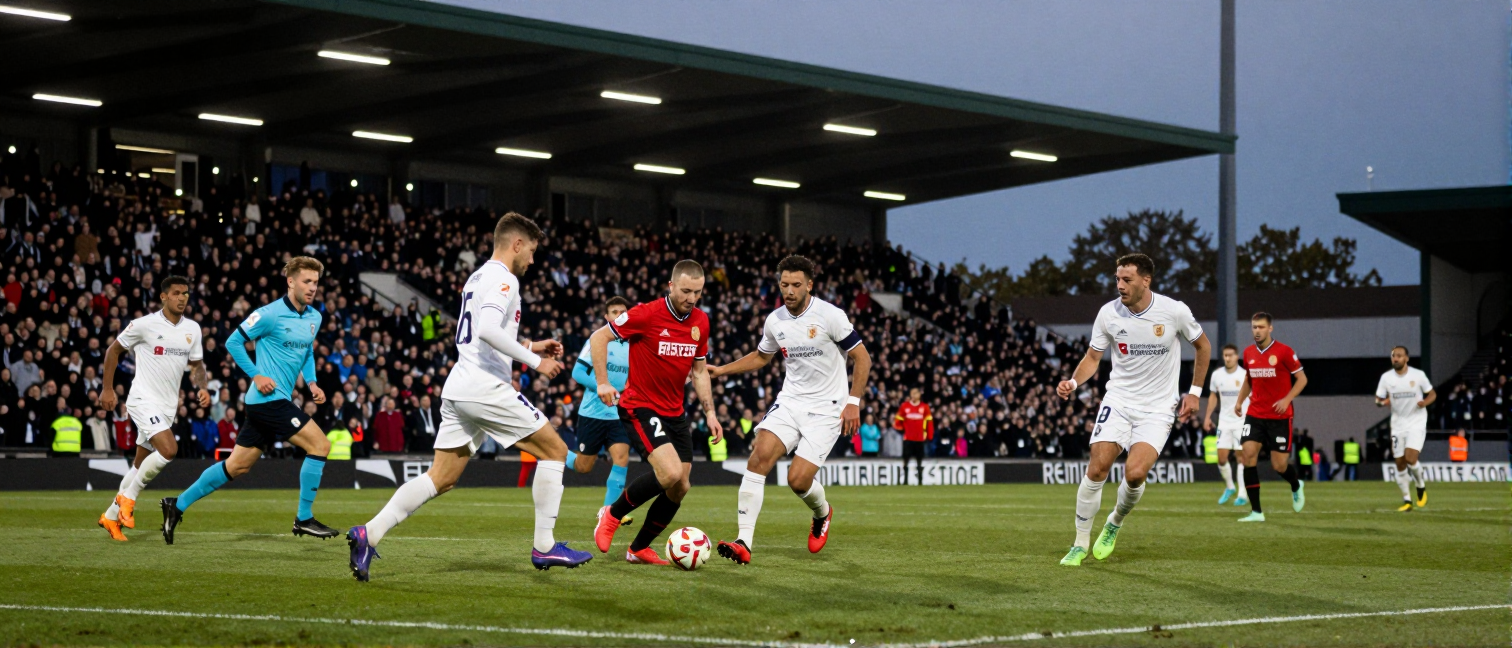
South Korea faced a shocking blow as five of its players were named in the 2026 North America World Cup Asian Worst XI. Japanese outlet Football Channel listed Son Heung‑min, Lee Kang‑in, Lee Jae‑sung, Seol Young‑woo and Kim Seung‑kyu, igniting fury among Korean fans. Currently South Korea sits 3rd in the World Cup standings with 3 points, a record of 1W‑0D‑2L and a recent form of LLW.
Why did Korean players end up in the Worst XI?
The Japanese outlet called Son "the best player in Asian history" yet noted he recorded no goals or assists in the tournament. He failed to create any scoring chances across three group matches, and his once‑explosive dribbling and shooting lost impact. Lee Kang‑in also played a central attacking role but failed to score, offering solid midfield work but lacking decisive finishes. Seol Young‑woo was shuffled between wing‑back positions, leaving his role unclear and his energy low throughout.
Why was Lee Jae‑sung spared?
Lee was praised for "excellent tactical insight and overwhelming work rate" that dominated the midfield, and his performances in the first two group games were commendable. However, the outlet highlighted his off‑field conduct as a factor that fractured team unity, stressing that the criticism reflects a broader team issue rather than individual failings.
How did goalkeeper Kim Seung‑kyu become a target?
Kim started all three group matches and displayed impressive saves, yet he was blamed for the concession against Mexico. The criticism even extended to his family after the match, illustrating how results can be unfairly pinned on a single player.
What must South Korea do to bounce back?
The team lost its last two of the recent five matches (LLWWW), and morale is shaken. With a league standing of 3rd, 3 points and a 6‑point gap behind leaders Mexico, South Korea needs a clear tactical reset. Defining attacking roles for Son and Lee, and tightening defensive organization, are immediate priorities. How the squad navigates this crisis will shape its future on the international stage.
South Korea's ability to turn this setback into a catalyst for change will determine its standing beyond the 2026 World Cup.