
An overwhelming majority of K-League coaches support switching the league schedule to a European format to escape extreme summer heat. More than 70% of the 29 coaches in Asia's oldest professional league back moving away from the traditional March to November calendar to one starting in late August with a winter break.
This sentiment aligns with calls from the Korea Pro Footballers Association. The players' union urged that "the K League must transition … to protect players from the worsening climate crisis and punishing summer heat."
Climate change is already a stark reality. A December 2025 report from the Korea Meteorological Administration found temperatures in the country rose 0.9C from 2020 to 2024, an acceleration compared to the 1.9C increase over the previous century. This summer, the city of Yangsan hit 42.5C on August 2, the highest since records began, while Seoul endured 17 consecutive tropical nights where the temperature did not fall below 25C. The KMA said summers have become 25 days longer with winters 22 days shorter.
Japan's Precedent and Korea's Challenge
This push gains momentum from the J League's successful shift to a European-style season this year. The Japanese league employed a self-contained mini-transition season from February to May before the World Cup and then kicked off its new format. Officials in Tokyo said before the new season started that they expect record revenues, despite concerns over the effect a lengthy mid-season break might have on matchday revenue and fan interest.
For Korea, the challenges include a longer 38-game season and a winter that is harsher than Japan's for a greater proportion of clubs. The Chinese Super League maintains the same schedule as Korea, with sweltering summers in most parts and similarly harsh winters in some regions, though its top tier has just 30 games.
A Wider Sporting Concern
Climate change is impacting schedules beyond football. The Indian Premier League, the most lucrative competition in cricket, is considering changing its traditional March to May schedule. IPL chair Arun Dhumal said in June, "Weather is another challenge we are facing now, with May getting very hot." He added, "We are looking if we can find a window from February to April and then later in the year."
The Tour de France also has much to think about after a summer disrupted by blistering heat and wildfires. Spectators were asked to stay away from the final stages of the race for their own protection. Yvon Ledanois, sports director at XDS Astana, told reporters, "We’ve never experienced anything like this." He explained, "It’s not just that one day it’s very hot and the next day we have normal conditions." While a move away from July, when the event has been held for 120 years, seems distant, a change in stage times to avoid the hottest parts of the day may not be far off.
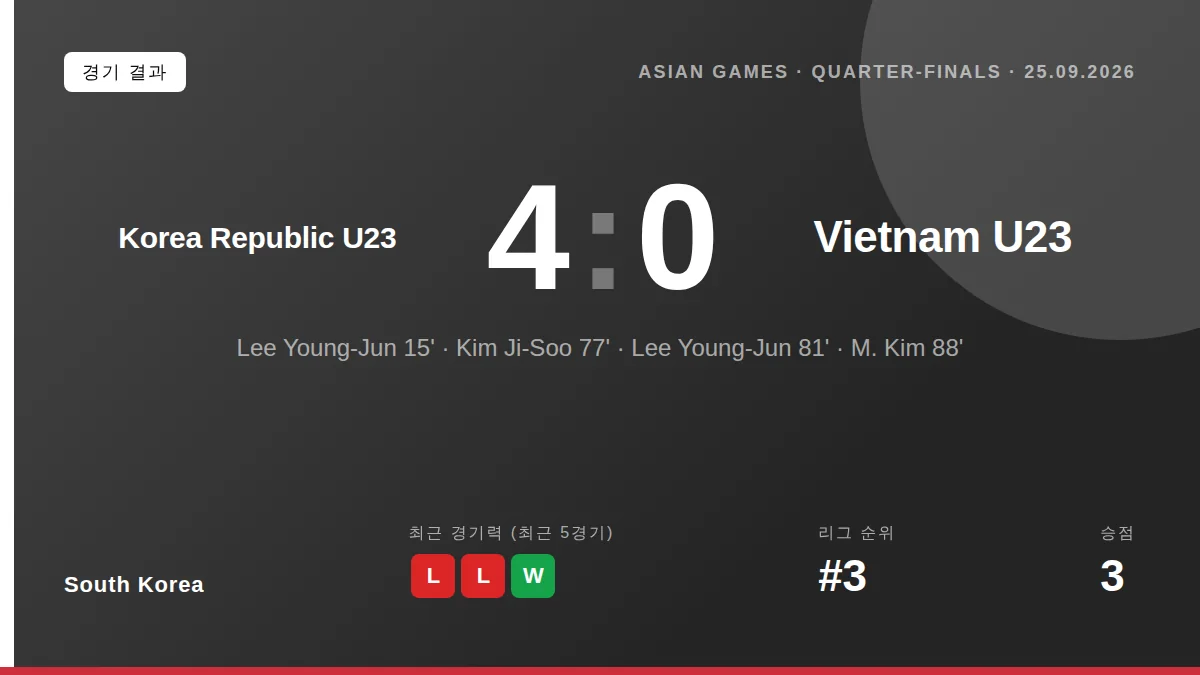
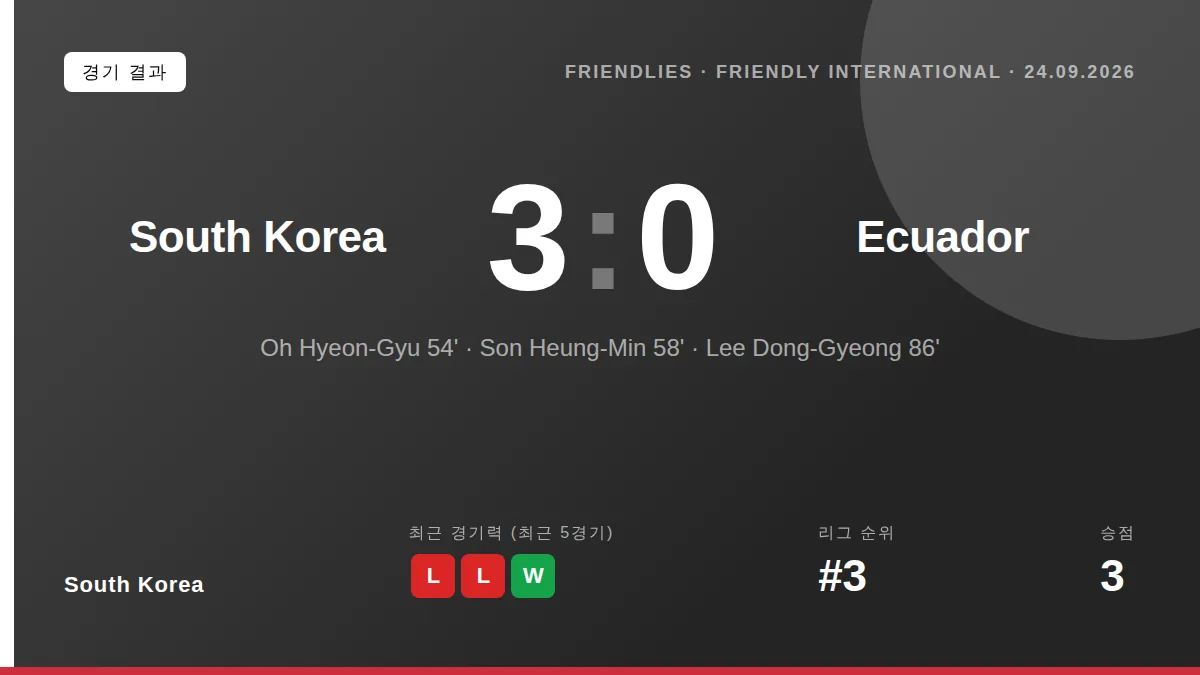
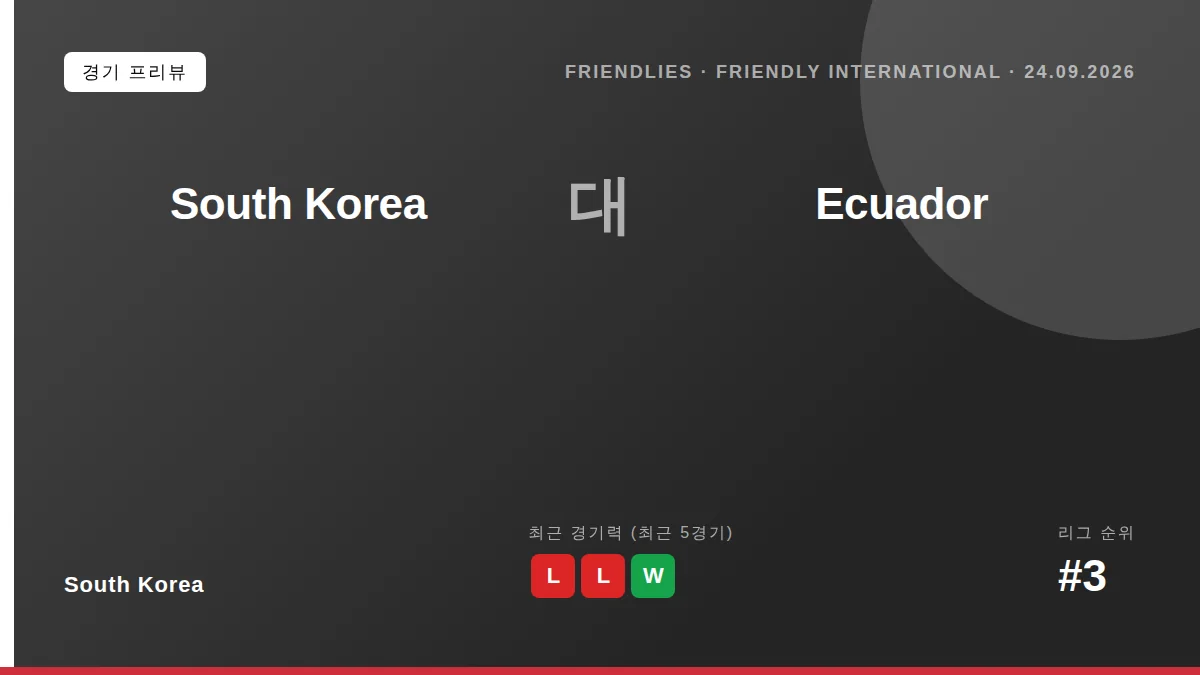
Meanwhile, the South Korea national team currently sits 3rd in their World Cup group with 3 points from 3 games. Their recent form shows 3 wins and 2 losses from the last five matches (LLWWW), having lost the last two. Their most recent result was a 1-0 defeat to South Africa on June 25. The team's next fixture is a friendly against Ecuador at home on September 24. Fans can check the team's upcoming schedule on our fixtures page and review the senior squad and injury status via our squad and injuries lists. The next challenge for the Taegeuk Warriors is the home match against Ecuador in Seoul on September 24.
Further reading: The Guardian Football