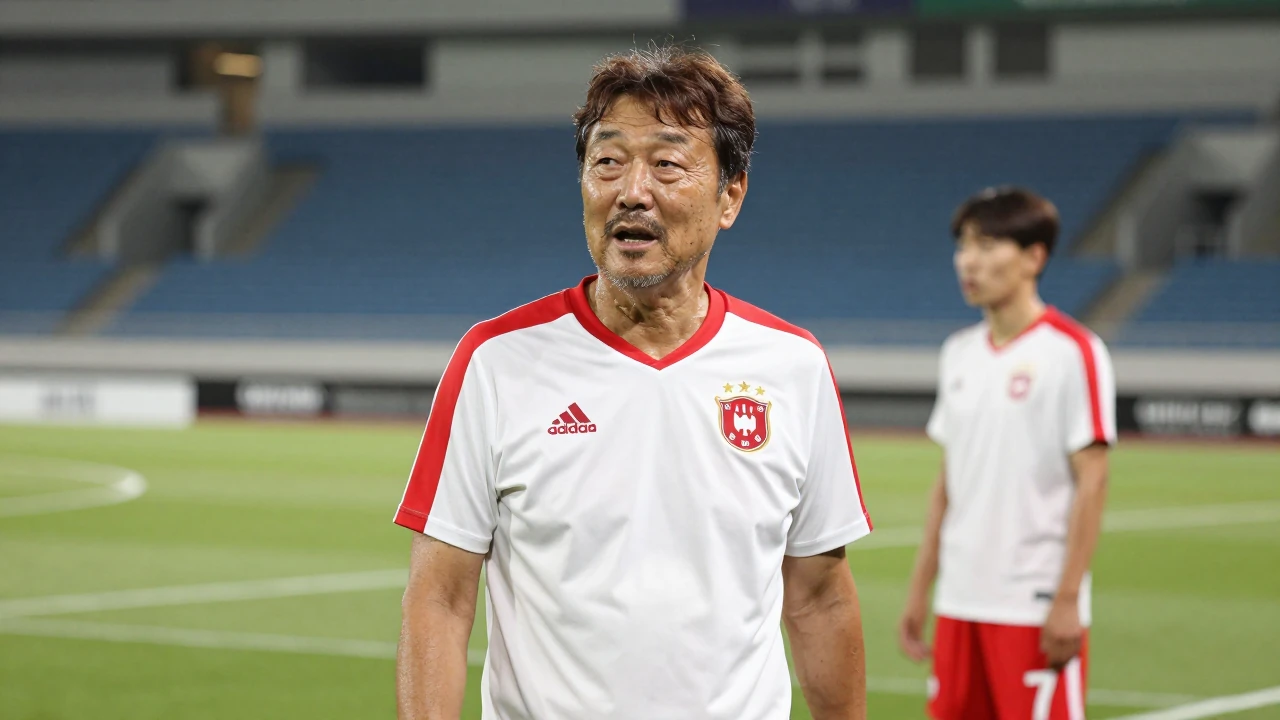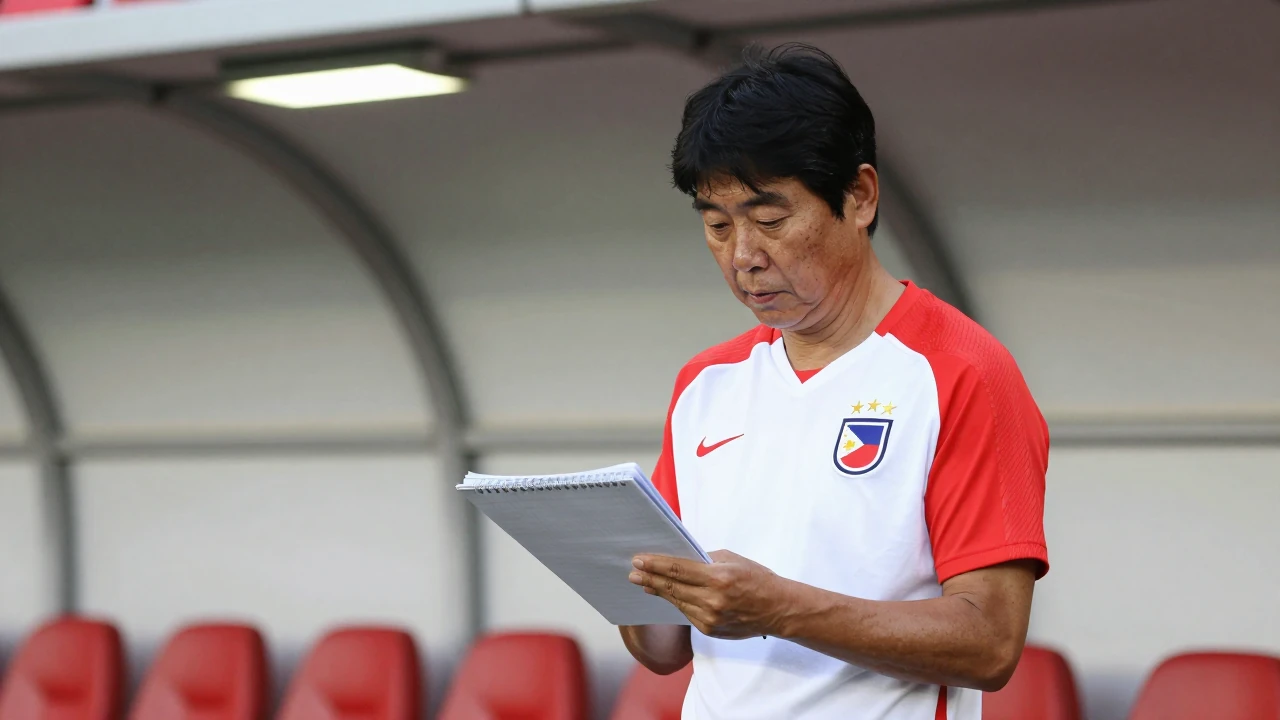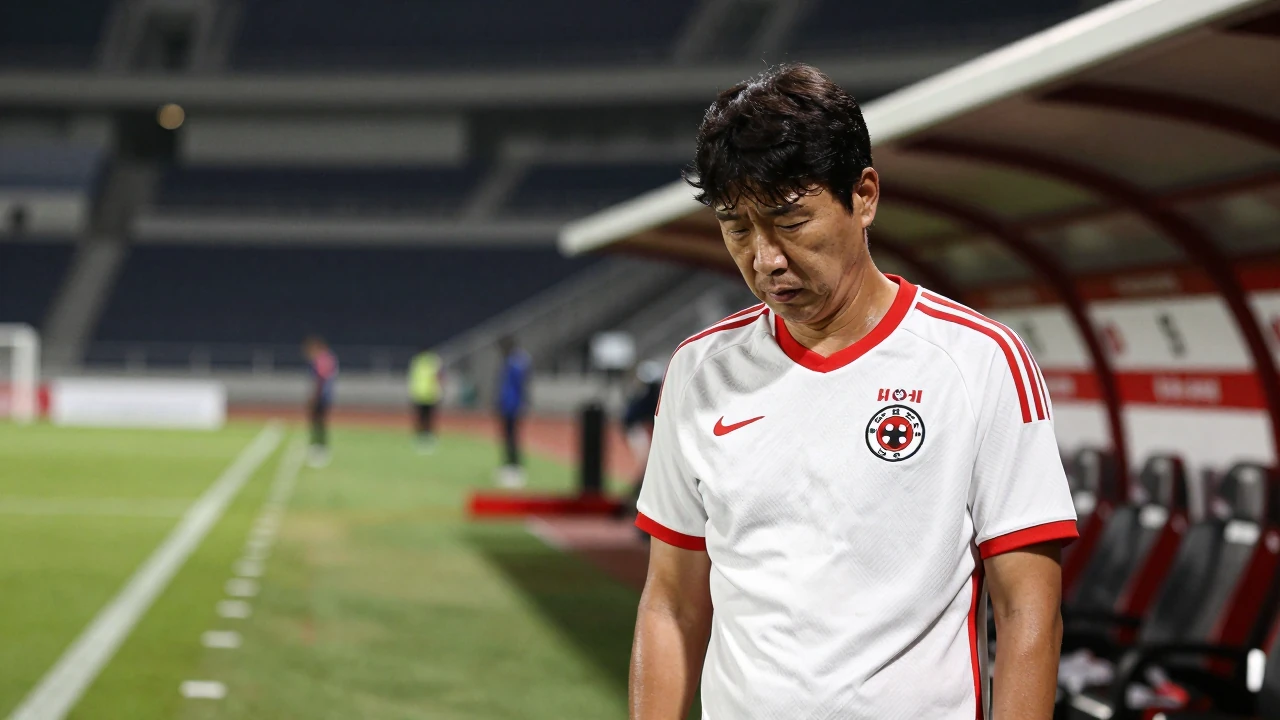
A youth football listening session was held on the 19th at Cheonan Korea Football Park, attended by about 100 players, parents and coaches, who highlighted the lack of fields and matches as the biggest challenges.
Shortage of Fields, Need for Spaces Where Kids Can Play Freely
A coach from a club team in Cheonan said, "Expanding the grassroots of youth football must precede improving Korean football culture," adding, "Especially, there must be more fields where children can play football freely." Elementary schools are mostly run as club teams; these clubs are affiliated with schools under the education office’s non-profit use regulations, yet many operate like private businesses, limiting field usage. Outdoor sports facilities must be rented, leading to fierce competition and cost issues. A coach from a club team in Noeun, Seoul, urged that “the period from 2 p.m. to 8 p.m. on weekdays should be prioritized for local youth players, and a system should be established to apply an exemption clause for youth players.” The Japan Football Association discusses with local governments to apply priority time for youth when using public sports facilities, ensuring children have time to play.
Matches Are Absolutely Insufficient
Coach Lee Hyun-woo of Shinlim Middle School in Seoul said, "Middle schools are allocated only 10 matches per year for senior students. It’s not much different from 30 years ago." Coach Kim Soon-ho of Gyeongshin High School added, "Both elementary and middle schools have few matches. We must reduce the gaps in students’ schedules." This stems from the 2009 policy by the Ministry of Culture, Sports and Tourism and the Ministry of Education to nurture ‘students who study and play,’ limiting youth leagues to only during school holidays. A coach from an elementary school team in Gwangju pointed out that “holding tournaments in the hot season and the cold season needs improvement.” The elementary student competition schedule was moved to late August-early September this year.
Financial and Structural Issues
A representative of the Ulsan Football Association said, "The number of teams increased threefold in the past, but the budget was reduced to one-third. Players receive individual lessons. There may be situations where children cannot play football because of lack of money." The number of elementary, middle and high school teams grew from 576 in 2009 to 1,006 in 2026. Although the league has grown, the system has not improved at all. He emphasized that "the Korean Football Association must research and disseminate education and technical programs tailored to each age group."
Assault Incidents Hinder Development
Assault incidents, still existing under the guise of discipline, were cited as a major obstacle to youth football development. A parent said, "A coach who was suspended for assault returned to coaching after the suspension period. If we don’t change this now, we’ll never change it again," expressing strong frustration.
These voices starkly reveal the reality Korea’s youth football faces, conveying an urgent need to expand sports facilities and match opportunities, provide financial support, and establish a safe training environment.